If you have a Botox appointment on the books, the moments after the needle matter as much as the technique that went into each injection. Good aftercare shapes your results, reduces downtime, and helps your investment last. I have guided thousands of patients through their first Botox session and their twentieth. The questions repeat for good reason: What will it feel like? When does it kick in? What can go wrong, and how do you steer clear? Here is a practical, experience-backed walk through the hours, days, and weeks after Botox cosmetic injections, along with the nuances that separate a smooth recovery from a bumpy one.
How Botox works sets the timeline
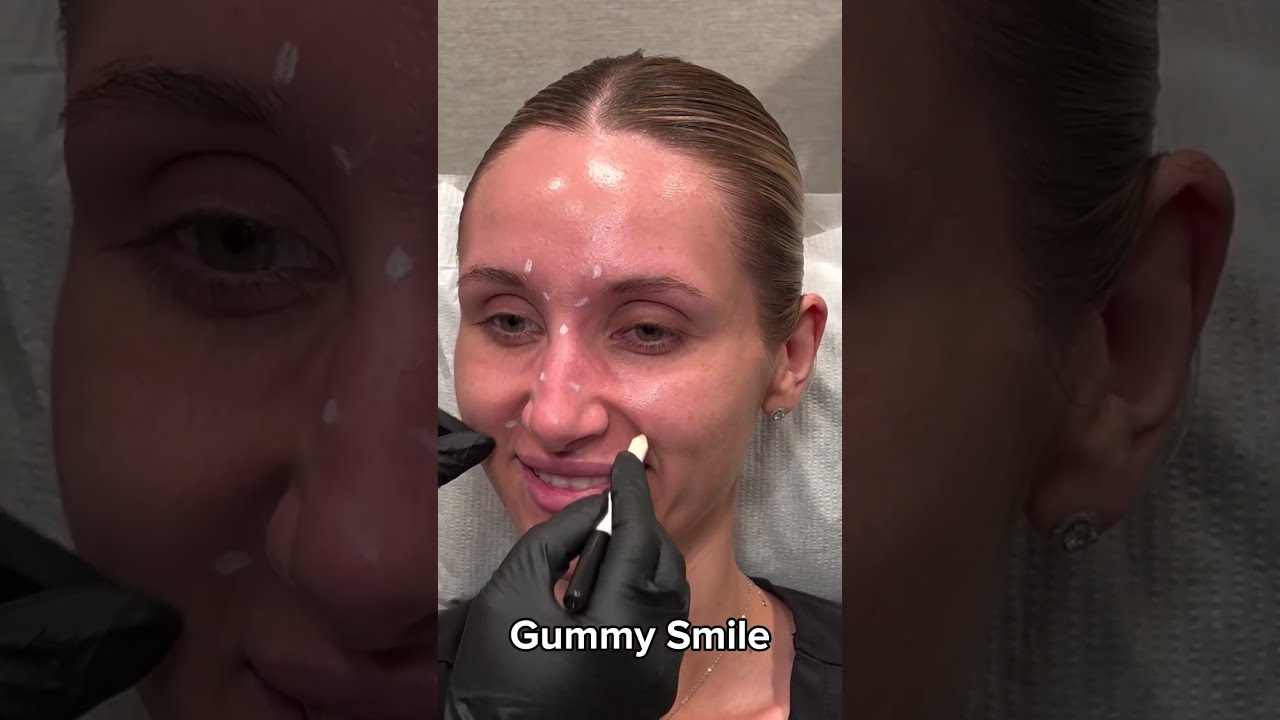
Botox treatment temporarily relaxes targeted muscles by blocking nerve signals at the neuromuscular junction. That mechanism dictates the rhythm of change. It does not “fill” or plump. It softens dynamic wrinkles formed by movement, like frown lines, crow’s feet, and forehead lines, and it can refine chin dimples, soften a gummy smile, or slim a bulky masseter. Because the protein needs to bind and interrupt signaling, you do not leave the clinic frozen. Instead, you see a gradual release of muscle activity over several days.
In most patients, the first subtle changes appear around day two or three. You reach peak effect around day seven to fourteen. The results then hold steady for roughly three to four months. Some areas and individuals last closer to five or six months, particularly with consistent maintenance and conservative dosing, while high-movement zones may fade sooner. Knowing that arc helps you judge whether what you feel after your botox procedure is normal.
The first hour: what the clinic expects and what you’ll feel
In the chair, even with a skilled botox nurse injector or dermatologist, you will likely feel brief pinches with each injection. The forehead skin is thin. Around the eyes, it can be stingy. Most clients describe the sensation as mild and short. A touch of pressure is normal as the product spreads. Occasionally you might feel a tiny crackly sensation if there is superficial air under the skin, which resolves quickly.
Once you stand up after your botox session, your face may feel slightly heavy or tight, a sense of fullness that fades within a couple of hours. Pinpoint redness or small bumps at injection sites are standard. They flatten as the saline carrier disperses. If your provider applied a cool compress, the redness often clears before you even leave.
The rest of day 1: your job is to protect placement
The immediate goals are to minimize bruising, avoid diffusion into unwanted muscles, and support even distribution. For years, the advice to “exercise your facial muscles” after botox injections sparked debate. Light movement such as frowning botox Massachusetts and relaxing a few times an hour can help engage the target, but you do not need to overdo it. The more critical rules are mechanical.
- First-day no list: no vigorous exercise, no hot yoga or saunas, no facials or face-down massages, no tight hats or headbands compressing the forehead, no pressing or rubbing the treated areas for the first four to six hours.
Each item reduces post-injection spread and bruising. If you naturally sleep on your side or face, aim to stay on your back the first night. It is not mandatory, but it helps. Avoid alcohol that evening if you bruise easily, and skip blood-thinning supplements like high-dose fish oil or ginkgo until the next day. A cool compress for 5 to 10 minutes at a time can ease warmth or swelling, but keep it gentle. Makeup is usually fine after a couple of hours, as long as you pat, do not rub.
Days 2 to 3: mild sensations and the first whisper of change
This is when you may notice a faint ache at the injection sites or a dull headache, especially after forehead botox for wrinkles. Not everyone gets it, but if it happens, it tends to be mild and resolves in a day or two. Over-the-counter acetaminophen is preferred over NSAIDs because it will not increase bruising risk as readily. Small yellow or purple bruises can surface, especially around crow’s feet where the skin is delicate. If you bruise, topical arnica or a cool compress helps, and a concealer can cover it while it fades.
A few people feel as if their brows are heavier, even before the botox results set in. That sensation reflects anticipation as much as physiology. As the targeted muscles gradually relax, the unbalanced pull can feel unusual. This early phase tells you little about your final result, so resist the urge to judge too soon.
Days 4 to 7: the real reveal begins
Most patients start to see meaningful change by day four. Frown lines soften when you try to scowl. Crow’s feet crinkle less when you smile. A lip flip starts to show more tooth at rest, and a masseter reduction candidate may feel chewing is subtly different. This is the stage when people message their botox specialist, declaring either delight or worry. Both are premature. The first week is a settling period.
If your eyebrows feel “heavy,” consider the tincture of time. Over-relaxed frontalis can create a flat brow or a low-sitting brow, especially if your injector targeted forehead lines too aggressively relative to your brow elevators. Experienced injectors balance the frontalis and glabella so you retain natural looking botox movement. If heaviness persists or your brows look asymmetrical at rest by day ten to fourteen, a tiny touch up can lift and balance. That adjustment is common and takes a few units.
Two weeks: the checkpoint that matters
Day fourteen is the first fair comparison for botox before and after. Your photos at this point represent peak effect. If a line remains, it is often static, etched in the skin after years of movement. Botox wrinkle reduction addresses the muscle drivers, not the etched creases. Deep lines can improve more with combined approaches like microneedling or laser resurfacing, or with fillers in select cases. When your botox clinic schedules a follow-up around two weeks, they are choosing the most honest moment to judge dosage and placement.
This is also when asymmetries show themselves if they are going to. Eyebrow peaks mismatched by a few millimeters, a smile that shows one more tooth than the other after a lip flip, or a masseter that still feels stronger on one side are all solvable. Tiny corrections with a few more botox units are typical. An experienced botox doctor or nurse injector prefers to under-treat slightly and refine than to overshoot and risk a flat, expressionless look.
What normal feels like
Every region has a personality. Understanding those differences removes anxiety.
Forehead and frown lines: Expect smoother skin with a limited ability to raise your brows. You should still be able to emote, just less dramatically. If your job relies on high expression, ask for fewer units or baby botox, which uses microinjections to keep some motion.
Crow’s feet: You may notice less squinting and fine wrinkling, but your smile should still read as you. If photos show you are losing your eye smile, the dose can be dialed back next session.
Lip flip: The upper lip rolls slightly outward, showing more vermilion and often one extra millimeter of tooth at rest. Straws may feel clumsy for a week. Whistling can be trickier. These effects are normal and mild.
Masseter reduction: Chewing feels different as you adapt to reduced bite force. Clenching improves over weeks. For TMJ symptoms, relief often appears by week two to three and can last longer than the cosmetic window.
Brow lift: Targeted injections can nudge the tails of the brows upward a few millimeters. If the lift looks sharp or exaggerated by week two, it can be softened.
Under eyes: Botox under eye treatment is tricky and dose dependent. Slight hollowing can appear if the injector is too aggressive in thin-skinned patients. Choosing a botox specialist with conservative technique is key.
Neck lines and chin dimples: Expect smoother texture and a more polished profile. Swallowing should not change when dosing is correct. If you notice difficulty, call your provider immediately.
Aftercare that matters beyond day 1
The first day is about protection. The first two weeks are about patience. Beyond that, your habits affect how long botox results hold.
Sun exposure: Chronic squinting from bright light invites the return of crow’s feet. Good sunglasses and daily SPF slow the progression of fine lines. Botox is part of a plan, not the whole plan.
Skincare: Retinoids, peptides, and daily sunscreen complement botox face treatment by improving skin quality while muscles are relaxed. Smoother canvas, better result.
Exercise: Heavy cardio does not “burn off” botox overnight, but very high training volumes may correlate with shorter duration in some patients. If you train daily at high intensity, expect three months on average and plan touch-ups accordingly.
Stress and sleep: Clenching, furrowed brows, and poor sleep speed the return of movement. Address jaw tension with a night guard if recommended. Consider masseter botox if you are waking with jaw soreness.
Dose and pattern: Conservative dosing fades sooner. That is a trade-off many prefer to keep natural looking botox. If you crave longer control, your injector can raise units gradually while watching for heaviness.
Side effects: what is common and what is not
Short-term reactions are part of the territory with botox aesthetic treatment. The common ones are mostly nuisance-level and fade quickly. Less common effects need attention, and a rare few require prompt evaluation.
Common: redness, small bumps at injection sites, mild swelling, slight headache, tenderness, and small bruises. These usually resolve in hours to a few days.
Less common: mild eyelid heaviness or a peaked brow, transient asymmetry of smile, difficulty with straws after a lip flip, shoulder soreness after trap injections, and a sense of heaviness across the forehead. These typically settle or can be refined with a touch-up.
Rare: eyelid ptosis, double vision, significant swallowing trouble after neck injections, generalized weakness, or allergic reactions. If you notice drooping eyelid on one side, call your injector. Prescription eyedrops like apraclonidine or oxymetazoline can help lift the lid while the effect wears off over weeks. Serious swallowing or breathing changes require urgent care.
A clean clinic with a trained botox injector, careful dose selection, and sound technique lowers risks, but even the best botox clinic sees the occasional outlier. The key is responsiveness. A provider who invites check-ins and corrects course earns trust.
The real cost and how to think about value
Patients ask about botox cost and botox price more often than any other practical point. Prices vary widely by region, injector expertise, and brand. Many offices price per unit, others by area. Packages and botox specials can be value-smart if the injector is experienced and the plan individualized. Beware of cheap botox or deals that push a one-size-fits-all approach. A low price for the wrong dose or poor placement is expensive in the end. Natural results with thoughtful dosing usually use fewer units over time as muscles adapt, which improves cost-effectiveness. If you are searching “botox near me,” prioritize a botox consultation that includes anatomy mapping, movement analysis, and a clear plan for touch-ups.
How long it lasts, realistically
Most first-time patients see three to four months of effect. By month three, the earliest movement often returns around the eyes and brows. By month four, frowning strength creeps back. With regular maintenance at a botox clinic, some individuals hold five months, especially in the glabella and forehead. The masseter, when treated consistently, can keep a slimmer contour for longer intervals because the muscle atrophies gradually.
The number of units matters. Higher units within safe ranges last longer, but also increase the risk of too little movement. A practical middle ground keeps daily expression with softened lines. Expect fine tuning during your first two to three sessions to hit your ideal balance.
Touch-ups and maintenance without the overdone look
Touch-ups serve different purposes. Early refinements, usually at two weeks, fix asymmetry and lift or soften problem spots. Maintenance touch-ups, at around three to four months, keep the lines from reasserting themselves. The exact interval depends on how you metabolize the product, your goals, and your budget. For many, three visits a year offers steady, natural results. For “baby botox” fans, four smaller visits per year fit better.
Spacing matters. If you go too early and the prior dose is still active, you can accumulate effect and edge toward a flat look. If you wait too long, lines can etch back in, especially in sun lovers or heavy frowners. The sweet spot is personal. Good providers track unit totals and maps so your botox results are reproducible.
What about brands, alternatives, and combinations
Several neuromodulator brands exist. Botox is the brand name most people use for botulinum toxin type A, but Dysport, Xeomin, Jeuveau, and Daxxify are also in circulation. The differences are subtle. Dysport may onset slightly quicker in some cases, Xeomin is a “naked” toxin without complexing proteins, and Daxxify may last longer in certain patients. Most people can switch without issue. If you have a brand preference or prior botox reviews in your record, share that with your injector.
For static folds or volume loss, neuromodulators pair well with fillers. Think botox and fillers for the frown complex, where botox relaxes movement and a small amount of hyaluronic acid can support a deep crease. For an etched forehead, you Sudbury, MA botox treatment do not inject filler into the moving frontalis in most cases. Instead, you combine botox with resurfacing. A botox brow lift may be enhanced with a touch of filler at the temple or brow tail to restore shape. Strategy drives safety.
If you are deciding between neuromodulators and fillers for smile lines, remember nasolabial folds reflect volume changes, not muscle hyperactivity. Botox for smile lines is often a misnomer unless you are targeting DAO muscles at the mouth corners for downturned smiles. This is where a careful consultation counts.
For first-timers: the emotional arc
The first week is an exercise in trust. Faces are personal. When your eyebrows do not move the way they did yesterday, it can feel foreign. This is normal. I remind first-timers that the goal of botox rejuvenation is to look rested, not altered. Friends should comment that you look less tired or “fresh,” not ask what you had done. If anyone notices something too different, tell your injector; we can pull back with fewer units next time.
One patient, a litigator who lives by her brow, wanted forehead lines softened without losing command. We used micro botox across the forehead and standard dosing in the glabella. She reported a day-three “helmet” sensation that lifted by day six. Photos at day fourteen showed smoother skin with intact authority. That set her maintenance plan: every 12 to 14 weeks, similar pattern, no surprises.
The rare detour: when things go off script
Even with the best plan, you may face an outlier. An eyelid that droops on day five, a smile that looks asymmetric after a lip flip, or a hollowness under the eyes from poorly chosen dosing. The fix depends on cause. Mild ptosis can be managed with prescription drops that stimulate Müller’s muscle to lift the lid two to three millimeters while the botox wears off. An asymmetric smile can be balanced with a fractional unit on the stronger side. Under eye hollowness often needs time and avoidance of further toxin in that zone. Communication with your provider is the thread through all of it. A responsive clinic avoids defensive posture and gets you comfortable again quickly.
Finding the right injector and clinic
Credentials matter. In many places, physicians, physician associates, nurse practitioners, and specially trained nurses can inject. What matters more than the letters after the name is hands-on experience, anatomy training, and a track record for natural looking botox. Ask how many botox procedures they perform weekly, whether they map injection sites, and how they handle touch-ups. Look for consistent botox before and after photos with lighting and angles that match. A botox dermatologist or facial plastic surgeon may be the right fit for complex cases. A seasoned botox nurse injector can deliver excellent results for routine areas. Choose the professional whose eye for balance matches your aesthetic.
If you are price shopping for affordable botox, do not let discounts dominate your decision. Botulinum toxin is a precision drug, not a commodity. A fair botox price reflects both the product and the expertise. Clinics that sell botox packages should still tailor units to you, not force a preset count. Top rated botox practices earn their reviews by saying no when the request would harm your look.
Realistic expectations by area
Forehead lines: Softening, not complete paralysis, usually looks best. Expect smoother skin with some lift retained. Heavy doses can drop the brow.
Frown lines: These respond beautifully. Consistent treatment can keep the “11s” at bay for years. Deep etched lines may need time or additional treatments to fade.
Crow’s feet: Great improvement with a smile that still reads like you. Over-treating can flatten the smile.
Brow lift: Subtle and elegant when customized. Avoids the surprised look by balancing with forehead dosing.
Lip flip: Modest change that pairs well with a tiny filler touch when more volume is desired. Drinking from bottles or straws may feel awkward briefly.
Masseter: Facial slimming and jaw tension relief in one. Chewing fatigue early on is normal and fades.
Neck lines and platysmal bands: Improvement in cords and texture. Slight swallowing strain is a red flag, not a normal outcome.
Under eyes: Conservative dosing only, best reserved for select candidates to prevent hollowing.
When to call your provider
Save this brief checklist for peace of mind.
- You develop a drooping eyelid or double vision within two to ten days after treatment. Swallowing becomes difficult, or you feel short of breath after neck or lower face injections. Severe headache persists beyond two days or worsens. Asymmetry that bothers you is present at day ten to fourteen. Any new rash, hives, or persistent swelling at injection sites.
Most concerns are solvable. Timely communication makes them easier.
Planning your next appointment
Botox duration averages about three to four months. If you like a consistently smooth look, plan your botox appointment as soon as you see movement returning in the target area, not after lines fully etch back in. A good rhythm for many is every 12 to 16 weeks. If you prefer subtlety or you are exploring preventive botox in your twenties or early thirties, you might extend to four visits a year with lower dosing. Your injector should adjust your map as muscles adapt. Over time, some people need fewer units to maintain the same effect because the muscles unlearn the habit.
Those who combine botox with dermal fillers, laser resurfacing, or microneedling often schedule toxin first, then energy or needle-based treatments a week or more later. This timing reduces the chance of product shift and lets you evaluate how much filler you actually need once the muscle relaxes. Smart sequencing saves money and avoids overtreatment.
Final thoughts from the chair
Botox therapy is simple on paper, but the art shows in the days and weeks after. The face is a dynamic system. A few millimeters of lift or a pinch less movement can transform how you look in photos, how you focus at work, and how you feel in the mirror. Right after injections, your choices are small but meaningful: keep your head up, stay cool, avoid rubbing, wait for the two-week reveal. If you are unhappy at that mark, small adjustments almost always solve it.
Choose a provider who asks about your lifestyle, not just your lines. Someone who balances your brow instead of chasing each crease. If you are comparing botox vs Dysport or botox vs Xeomin, let your injector guide you based on your anatomy and past response; the brand matters less than the plan. When done well, botox rejuvenation looks less like a procedure and more like a good night’s sleep that keeps showing up, month after month.
And if you are still wondering, is botox worth it, the most honest answer lives in your calendar and your camera roll. If you enjoy what you see at two weeks, and the mirror stays kind for three to four months, you have your answer. With thoughtful aftercare and a steady maintenance schedule, botox can be a reliable, natural-looking anchor in a larger skincare strategy that includes sun protection, healthy habits, and a plan tailored to your face rather than a trend.